
Hiring your first employee feels like a milestone. But most advisors rush into it without cleaning up the mess behind the scenes first.
The result? New hires struggle to follow unclear processes, clients get inconsistent service, and you end up more frustrated than before. Your growth stalls because your foundation wasn't ready for it.
Before you post that job listing, you need to get your house in order. Here are the five critical processes every advisor must streamline before bringing on staff: and why skipping this step costs you more than just money.
1. Client Onboarding Workflow
Your onboarding process is probably a disaster. Most advisors wing it with a mix of emails, phone calls, and scattered documents. New clients get different experiences, paperwork gets lost, and tasks fall through the cracks.
The Problem: Without a standardized onboarding system, new hires can't deliver consistent client experiences. They don't know what forms to send, when to schedule calls, or how to track progress. Clients notice the chaos immediately.
What to Clean Up:
- Create a step-by-step onboarding checklist with clear timelines
- Standardize all client intake forms and documents
- Define exactly when and how clients receive welcome materials
- Establish follow-up touchpoints for the first 90 days
- Document who handles each step and when handoffs occur
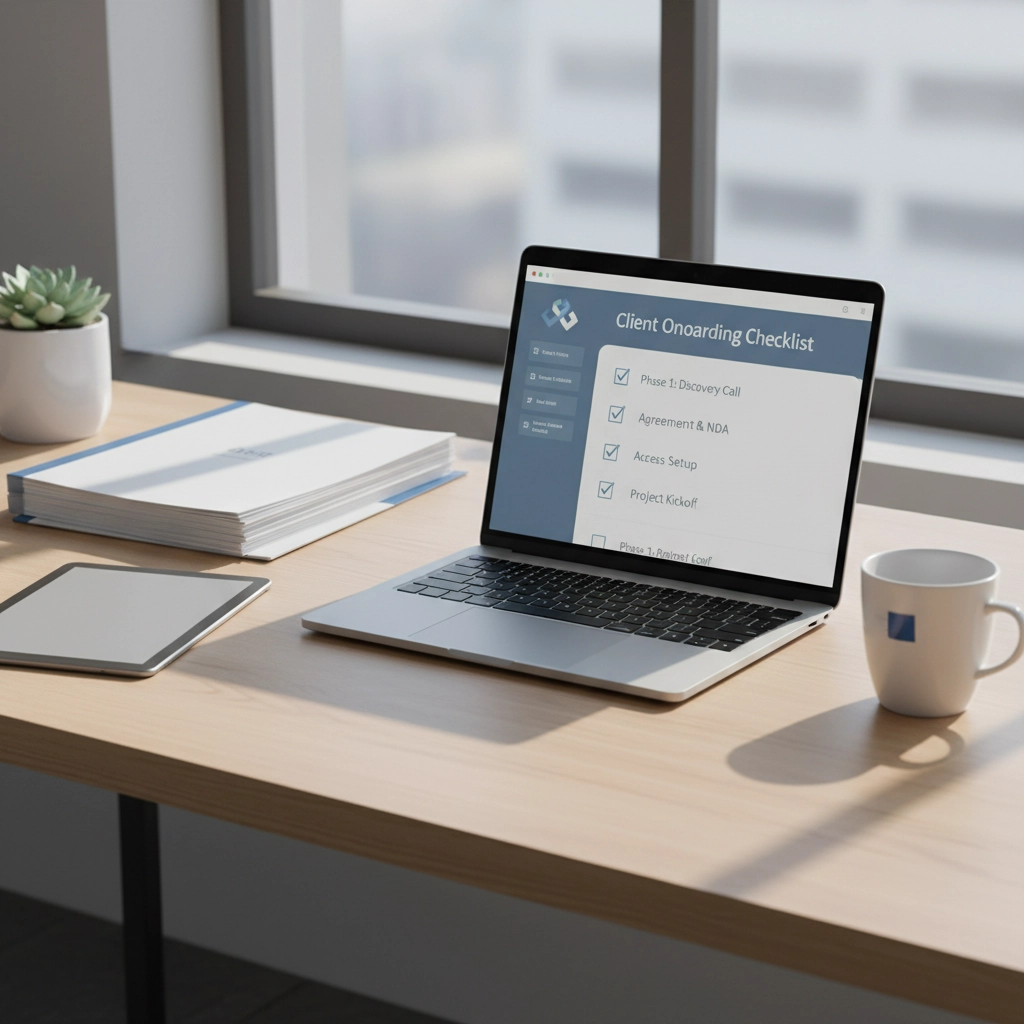
The Fix: Map out every single step from initial client meeting to first review. Create templates for all communications. Build tracking systems so nothing gets missed. When you hire someone, they'll have a clear roadmap instead of guessing what comes next.
This is where scalable back office solutions become critical. Your new hire needs systems that can handle 50 clients as easily as they handle 10.
2. Data Entry and Management Systems
Most advisory firms treat their CRM like a digital filing cabinet: stuffed with incomplete information, duplicate entries, and outdated contact details. Your data is probably a mess, and you don't even know it.
The Problem: Inconsistent data entry creates chaos when multiple people access your systems. New hires make different assumptions about how to categorize clients, input meeting notes, or track opportunities. Your CRM becomes unreliable, and client service suffers.
What to Clean Up:
- Standardize how client information gets entered and updated
- Create data entry guidelines for contact details, account information, and notes
- Establish consistent naming conventions for files and folders
- Define required fields and data quality standards
- Set up automated data validation where possible
The Reality Check: If you can't find a specific client's last meeting notes in under 30 seconds, your data management needs work. New employees will struggle even more.
Clean data management becomes the foundation for advisors admin outsourcing that actually works. Remote team members can't read your mind: they need clear systems and standards.
3. Client Communication Protocols
Your communication habits are probably inconsistent. Some clients get frequent updates while others hear from you quarterly. Your email responses vary from same-day to next-week. You don't have clear protocols for who communicates what and when.
The Problem: New hires don't know your communication style or client expectations. They'll either over-communicate and waste time or under-communicate and frustrate clients. Without clear guidelines, your firm's voice becomes inconsistent across team members.
What to Clean Up:
- Define response time expectations for different types of inquiries
- Create templates for common client communications
- Establish escalation procedures for urgent situations
- Clarify which team member handles different types of client contact
- Document your firm's communication tone and style guidelines

The Standard: Every client should know what to expect from your firm's communication. Whether they're talking to you or your new hire, the experience should feel consistent and professional.
This is especially important for paraplanning for financial advisors. Remote team members need clear communication protocols to represent your firm professionally with clients.
4. Compliance Documentation and Tracking
Your compliance process is probably reactive rather than systematic. You scramble to pull together documentation when audits come up. You don't have consistent filing systems for required records. Some compliance tasks get done late or missed entirely.
The Problem: New hires can't navigate unclear compliance requirements. They don't know what documentation is required, where to file it, or how to track deadlines. Compliance mistakes create liability for your entire firm.
What to Clean Up:
- Create a comprehensive compliance calendar with all required deadlines
- Establish consistent filing systems for all regulatory documentation
- Define who is responsible for each compliance requirement
- Build checklists for common compliance tasks
- Set up automated reminders for critical deadlines
The Stakes: Compliance mistakes can shut down your firm. New employees need foolproof systems that prevent errors before they happen.
When considering back office support services, compliance documentation becomes even more critical. Remote team members need crystal-clear procedures to maintain your regulatory requirements.
5. Meeting Prep and Follow-Up Procedures
Your meeting preparation probably varies wildly. Sometimes you review files thoroughly; other times you wing it. Follow-up tasks get scattered across sticky notes, emails, and mental reminders. Clients notice the inconsistency.
The Problem: Without standardized meeting procedures, new hires can't prepare effectively or follow up consistently. Client meetings become less productive, and important action items get missed.
What to Clean Up:
- Create meeting preparation checklists for different meeting types
- Standardize how meeting notes get documented and stored
- Define clear follow-up procedures with specific timelines
- Establish task assignment and tracking systems
- Build templates for common meeting agendas
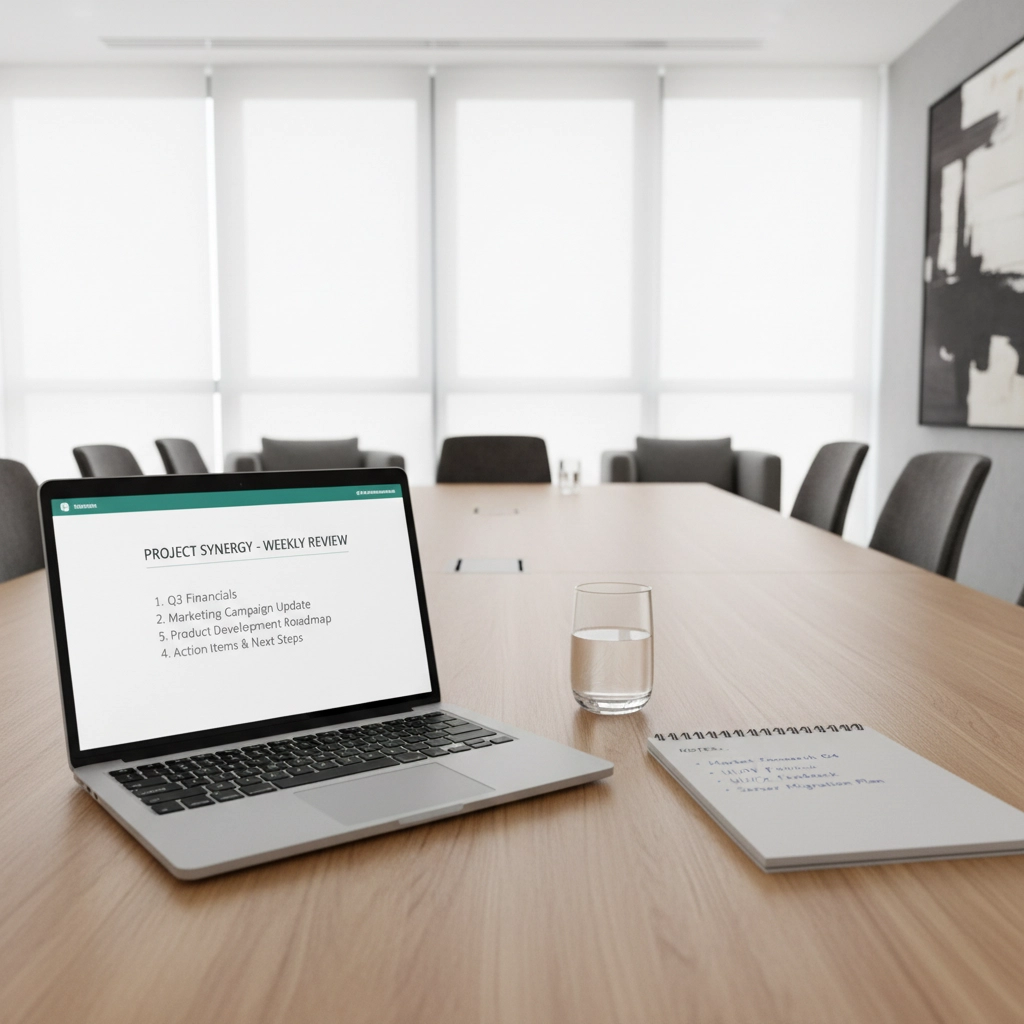
The Standard: Every client meeting should feel prepared, professional, and productive: regardless of who's running it.
This is where scalable back office solutions really shine. Standardized meeting prep and follow-up procedures can be easily delegated to qualified support staff.
The Cost of Skipping Process Cleanup
Most advisors skip this cleanup phase and pay for it later. Here's what happens:
Client Confusion: Inconsistent processes confuse clients. They get different experiences depending on who they interact with. Your firm's professionalism takes a hit.
Employee Frustration: New hires struggle to succeed without clear systems. They make mistakes, feel overwhelmed, and often leave within the first year.
Growth Bottlenecks: Poor processes limit your ability to scale. Each new client or employee creates more chaos instead of sustainable growth.
Lost Revenue: Time spent fixing process problems is time not spent serving clients or growing your business.
Making Process Cleanup Work
Start with the process that causes you the most daily frustration. Document it completely, including every exception and variation you currently handle. Then standardize it.
The Documentation Rule: If you can't write down exactly how something gets done, it's not ready for delegation.
Test your documented processes by following them exactly as written. If you can't complete the task using only your documentation, it needs more detail.
Consider how data security in outsourcing factors into your process cleanup. Remote team members need secure, standardized procedures to access and handle client information safely.
Your Next Steps
- Audit Current Processes: Spend one week documenting exactly how you currently handle each of these five areas
- Identify the Biggest Gap: Start with the process causing the most problems or taking the most time
- Create Standards: Build checklists, templates, and clear procedures for that process
- Test and Refine: Use your new process for 30 days and adjust based on what you learn
- Scale Gradually: Once one process runs smoothly, move to the next
Clean processes aren't just about efficiency: they're about building a firm that can grow without you being the bottleneck.
Your future employees will thank you for giving them systems they can follow. Your clients will notice the consistent, professional experience. And you'll finally have the foundation needed to scale sustainably.
If your firm is feeling the strain of scattered processes and growing admin work, we can help streamline your backend systems so your team can focus on clients instead of chaos.
About the Author
Mohammad Aamish Aaftab is the Founder of The CollabHub, a consulting and back-office support firm helping US Financial advisory firms streamline operations, strengthen client delivery, and scale sustainably.
With years of experience working with global firms across the U.S., U.K., and U.A.E., Aamish has built a reputation for turning inefficient workflows into efficient, scalable systems. His focus lies in helping firms operate smarter : not harder : by designing backend processes that reduce overwhelm, save time, and improve profit margins.
Aamish combines his background in financial planning, business operations, and process consulting to help accounting leaders regain clarity, consistency, and control in their practice : so they can focus on what truly matters: their clients and their long-term growth.