
Running a solo advisory practice means wearing every hat: financial planner, relationship manager, operations director, and CEO all rolled into one. The challenge isn't just managing clients; it's creating a sustainable daily workflow that maximizes your billable hours while keeping the business running smoothly behind the scenes.
Most solo advisors fall into the same trap: they spend 60% of their day on administrative tasks that could be streamlined, automated, or outsourced entirely. The result? Burnout, missed growth opportunities, and clients who don't get your best thinking because you're drowning in paperwork.
Here's how to design a daily workflow that puts your expertise where it belongs: with clients: while building scalable back office solutions that grow with your practice.
The Solo Advisor Time Reality Check
Before diving into the perfect workflow, let's address the elephant in the room. Research shows that financial advisors spend approximately 43-53 hours per week on their practice, with only 26-27 hours dedicated to actual client-related activities. For solo advisors, this breakdown is even more skewed toward administrative work.
The typical solo advisor's week looks like this:
- Client meetings and preparation: 15-20 hours
- Administrative tasks: 12-15 hours
- Business development: 8-10 hours
- Investment research and portfolio management: 6-8 hours
- Compliance and documentation: 4-6 hours
The problem? Those administrative hours are eating into your highest-value activities. Every hour spent on data entry, scheduling, or report formatting is an hour not spent on financial planning, client relationship building, or practice growth.

Morning Block: Start With Strategic Clarity (7:00 AM – 9:00 AM)
Your morning routine sets the tone for everything that follows. Instead of immediately diving into emails, start with strategic clarity:
7:00 AM – 7:30 AM: Morning Review
- Review your calendar for the day
- Check for any urgent client communications
- Prioritize your top 3 objectives for the day
7:30 AM – 8:30 AM: Deep Work Power Hour
This is your most focused cognitive time. Use it for:
- Complex financial planning analysis
- Investment research and portfolio reviews
- Strategic business planning
- Preparing for high-stakes client meetings
8:30 AM – 9:00 AM: Administrative Triage
- Process overnight emails (respond, delegate, or schedule)
- Review client action items from previous day
- Confirm day's appointments and prepare meeting materials
The key insight here: protect your peak mental energy for high-value work. Administrative tasks can wait until your cognitive resources are naturally lower.
Client-Facing Prime Time (9:00 AM – 1:00 PM)
This four-hour block should be sacred territory for client interactions. Research consistently shows that advisors perform best in morning hours, making this the ideal window for:
Client Meetings (9:00 AM – 12:00 PM)
- Schedule 45-60 minute blocks with 15-minute buffers
- Use a standardized meeting prep checklist
- Have all client documents pre-loaded in your CRM
- Turn off email notifications completely during this time
Meeting Documentation (12:00 PM – 1:00 PM)
Document everything while it's fresh:
- Meeting summaries and action items
- Update client records in your CRM
- Schedule follow-up tasks
- Send meeting recaps to clients
Pro tip: Use voice-to-text software to speed up documentation. Many advisors find they can capture meeting notes 3x faster this way.

Administrative Efficiency Block (1:00 PM – 3:00 PM)
After lunch, your energy naturally dips: making this the perfect time for administrative tasks that don't require peak cognitive performance.
1:00 PM – 2:00 PM: Client Service Tasks
- Process account maintenance requests
- Review and approve client documents
- Handle routine client communications
- Update client files and compliance records
2:00 PM – 3:00 PM: Back Office Operations
This is where paraplanning for financial advisors and back office support services become crucial. Tasks in this block include:
- Data entry and CRM updates
- Report generation and formatting
- Scheduling appointments
- Invoice processing and billing
For solo advisors, this two-hour block is prime territory for outsourcing. Consider which tasks absolutely require your expertise versus those that could be handled by qualified support staff remotely.
Business Development and Growth (3:00 PM – 5:00 PM)
Your afternoon energy rebound makes this ideal for business development activities that require relationship-building energy but not deep analytical thinking.
3:00 PM – 4:00 PM: Prospecting and Networking
- Follow up with referral sources
- Conduct discovery calls with prospects
- Update your prospect pipeline
- Engage on social media platforms
4:00 PM – 5:00 PM: Practice Development
- Review business metrics and KPIs
- Plan marketing content and campaigns
- Research new technology solutions
- Work on process improvements
End-of-Day Wrap-Up (5:00 PM – 5:30 PM)
A structured close to your day ensures nothing falls through the cracks:
- Review tomorrow's calendar and prepare materials
- Update your task management system
- Clear your desk and digital workspace
- Plan your top 3 priorities for tomorrow

The Delegation and Automation Strategy
The perfect daily workflow isn't just about time management: it's about strategically reducing your administrative load through smart delegation and automation.
High-Impact Outsourcing Opportunities:
- Paraplanning support: Financial plan preparation, data analysis, and report generation
- Administrative assistance: Scheduling, client communications, and document preparation
- Compliance tasks: Form filing, record keeping, and regulatory documentation
- Technology management: CRM maintenance, software updates, and data backups
When evaluating advisors admin outsourcing, focus on data security in outsourcing. Any partner you choose should have robust security protocols, especially when handling sensitive client information.
Automation Wins for Solo Advisors:
- Automated client onboarding workflows
- Scheduled report generation and distribution
- Email templates for common client situations
- Calendar booking systems with automatic confirmations
- Invoice processing and payment reminders
Technology Stack Integration
Your workflow is only as good as the tools supporting it. A well-integrated technology stack should include:
CRM System: Acts as your central nervous system
- Client contact management
- Meeting scheduling and tracking
- Document storage and organization
- Task and workflow automation
Financial Planning Software: For analysis and recommendations
- Plan generation and scenarios
- Proposal creation
- Portfolio modeling
Communication Tools: For efficient client interaction
- Video conferencing platform
- Secure client portals
- Automated email sequences
The key is integration. Tools that don't communicate with each other create more administrative work, not less.
Weekly Batch Processing
Some tasks are more efficient when batched weekly rather than handled daily:
Monday Morning: Week planning and pipeline review
Tuesday Afternoon: Investment research and market analysis
Wednesday: Client check-in calls and relationship maintenance
Thursday: Administrative cleanup and process improvements
Friday: Business development and strategic planning
This approach reduces context switching and allows you to maintain focus on similar types of work.
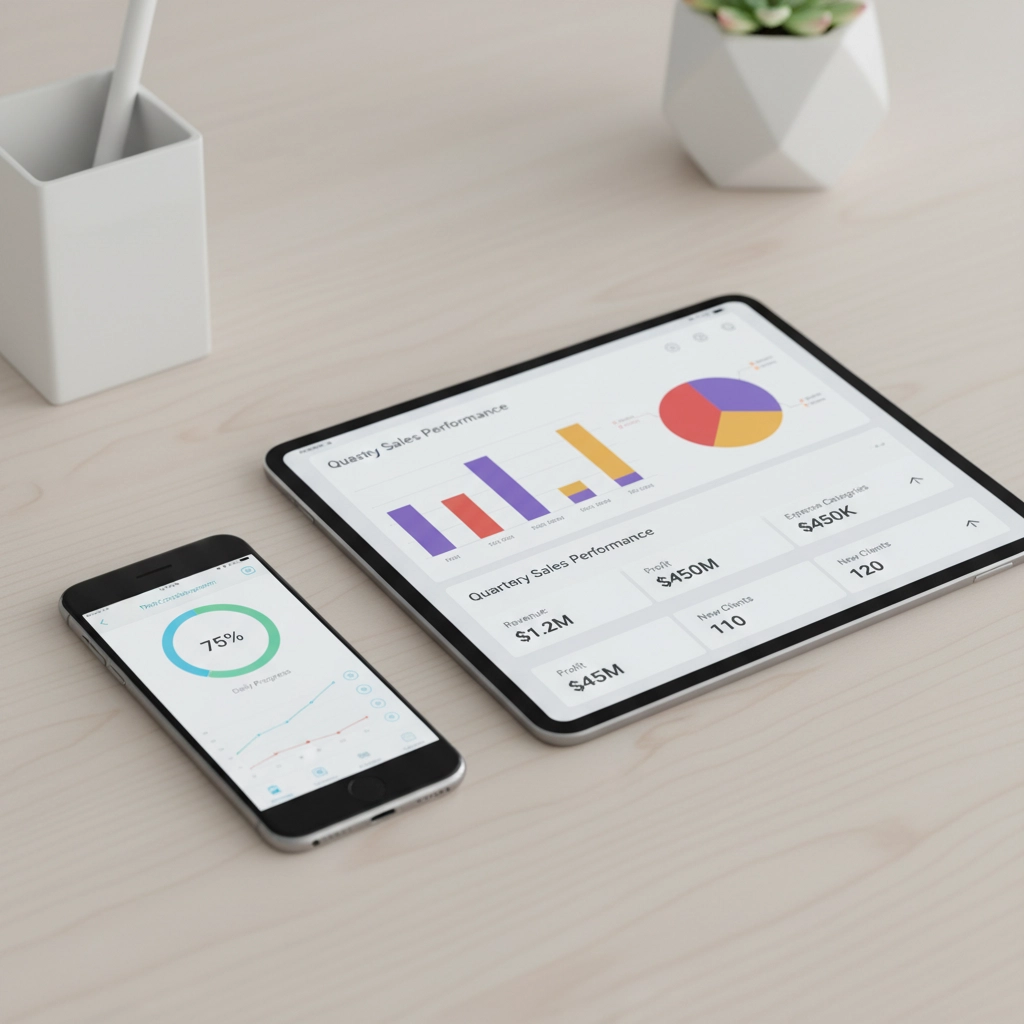
Measuring Workflow Success
Track these key metrics to ensure your workflow is actually improving your practice efficiency:
- Client-facing time percentage: Aim for 60-70% of your working hours
- Administrative time reduction: Target 25-30% decrease through outsourcing and automation
- Response time to client inquiries: Should improve with better systems
- Revenue per hour worked: The ultimate measure of workflow efficiency
Your Next Action: The 48-Hour Workflow Assessment
Here's your "take 1 action today" tip: For the next two business days, track every 30-minute block of your time. Categorize each block as either:
- Client-facing (meetings, calls, planning)
- Administrative (data entry, filing, scheduling)
- Business development (prospecting, networking, marketing)
- Strategic work (analysis, research, planning)
This simple exercise will reveal exactly where your time is going and highlight the biggest opportunities for optimization through scalable back office solutions.
Most solo advisors discover they're spending 40-50% of their time on tasks that could be automated, systematized, or outsourced. That's 16-20 hours per week that could be redirected to client relationships and practice growth.
The perfect daily workflow for a solo advisor isn't about working more hours: it's about working the right hours on the right activities. By protecting your peak cognitive time for client-facing work and strategically delegating or automating administrative tasks, you can build a sustainable practice that serves clients better while preserving your sanity.
Remember: every minute you spend on administrative work is a minute not spent on the strategic thinking and relationship building that only you can provide. Design your workflow accordingly.
About the Author
Mohammad Aamish Aaftab is the Founder of The CollabHub, a consulting and back-office support firm helping US Financial advisory firms streamline operations, strengthen client delivery, and scale sustainably.
With years of experience working with global firms across the U.S., U.K., and U.A.E., Aamish has built a reputation for turning inefficient workflows into efficient, scalable systems. His focus lies in helping firms operate smarter : not harder : by designing backend processes that reduce overwhelm, save time, and improve profit margins.
Aamish combines his background in financial planning, business operations, and process consulting to help accounting leaders regain clarity, consistency, and control in their practice : so they can focus on what truly matters: their clients and their long-term growth.