
It's 7:30 PM on a Tuesday. Sarah's still at her desk, staring at three urgent client emails, a VAT return due tomorrow morning, and a missed call from her biggest client. Her colleague Mark called in sick, and she's covering his workload too. Sound familiar?
This scenario plays out in small accounting firms across the UK every day. The difference between those who thrive and those who barely survive often comes down to a few critical lessons learned the hard way.
When Everything Falls Apart at Once
Emma runs a 4-person bookkeeping practice in Manchester. Last January, everything that could go wrong did. Her senior bookkeeper left with two days' notice, a major client demanded an urgent restructure of their accounts, and HMRC sent compliance queries for three different businesses, all in the same week.
"I genuinely thought we might have to close," Emma recalls. "I was working 16-hour days, my remaining staff were burnt out, and I could see clients getting frustrated with our delays."
The wake-up call came when she nearly missed a critical filing deadline that would have cost her client £3,000 in penalties. That's when she realised something had to change.

The Email Avalanche Problem
Most small accounting teams underestimate how much time gets lost in email ping-pong. James, who runs a practice in Cardiff, discovered he was spending nearly 3 hours a day just managing client communications.
"Clients would email asking for updates, then call when they didn't hear back within an hour. My team was constantly interrupted, and nothing was getting finished properly."
His solution was surprisingly simple: designated communication windows. Client emails get responded to at 11 AM and 4 PM daily, with an auto-responder explaining the system. Urgent matters go to a separate hotline.
The result? His team regained 2 hours of focused work time daily, and client satisfaction actually improved because responses became more thoughtful and complete.
The Deadline Domino Effect
When Ben's practice in Birmingham took on three new retail clients during the busy season, he thought the extra revenue would solve their cash flow concerns. Instead, it nearly broke them.
"We said yes to everything because we needed the money," Ben explains. "But we didn't have systems to handle the increased workload. Deadlines started slipping, quality dropped, and we began losing established clients."
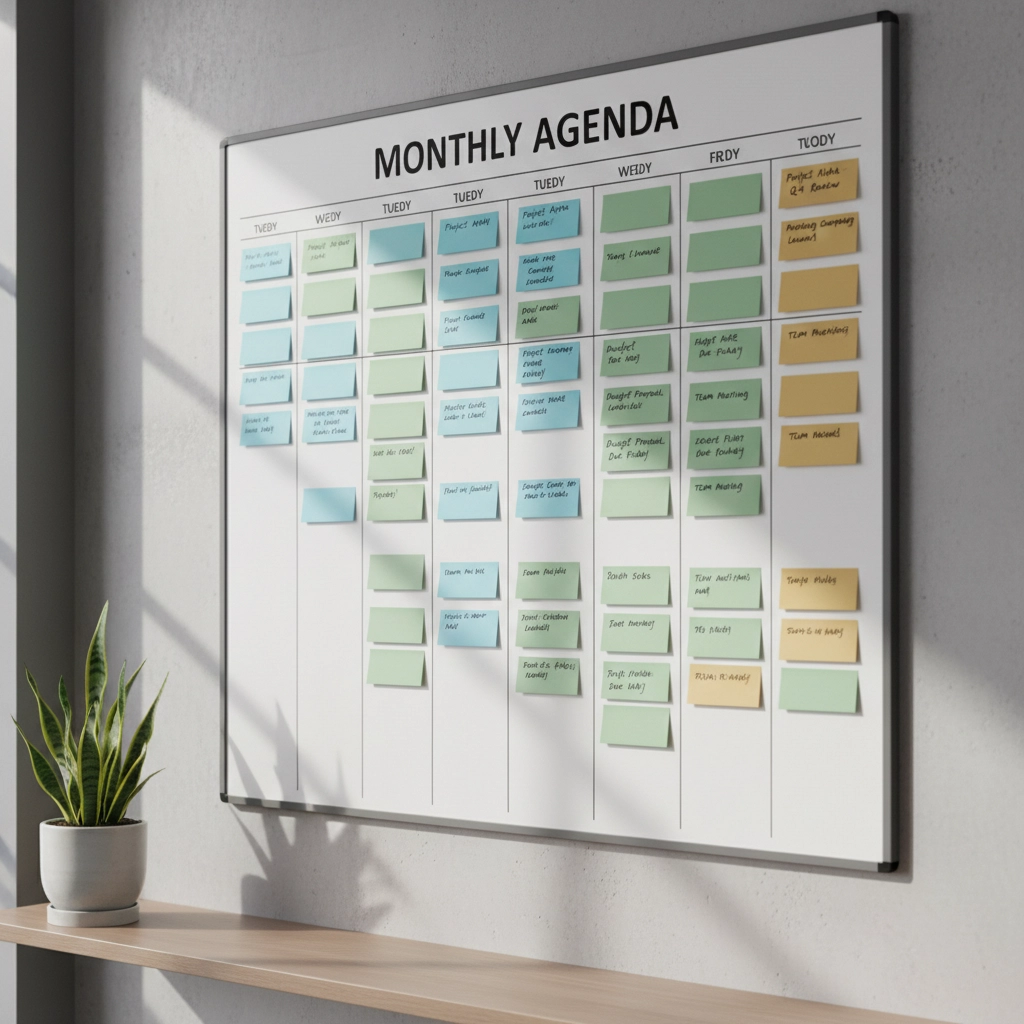
The turning point came when they implemented what Ben calls "internal deadlines", finishing client work 48 hours before the actual due date. This buffer time catches problems early and prevents the panic that leads to mistakes.
They also started tracking time differently. Instead of just billing hours, they monitor how long each type of task actually takes versus estimates. This revealed that their VAT returns were taking 40% longer than budgeted, forcing them to adjust pricing and processes.
The Hidden Cost of Being Too Accommodating
Rachel's experience in Leeds highlights another common pitfall: saying yes to every client request without considering capacity.
"I thought good customer service meant being available 24/7 and taking on any work that came through the door," she says. "But when you're constantly firefighting, you can't do justice to anyone."
Her practice nearly folded when a client demanded an urgent restructure during year-end season. The extra work meant other clients' returns were delayed, triggering a cascade of complaints and late fees.
Now Rachel has clear boundaries: urgent work requires 48-hour notice except in genuine emergencies, and new projects can only start after current commitments are complete. Surprisingly, clients respect this more than her previous chaotic availability.
Cash Flow Reality Check
Tom's story from Newcastle reveals how operational chaos directly threatens financial stability. His firm was technically profitable on paper but constantly struggling with cash flow.
"We were so focused on getting work done that we forgot to actually collect payment," Tom admits. "Some clients owed us money for three months, but we were too busy to chase it properly."
The near-miss came when they couldn't make payroll one month despite having £15,000 in outstanding invoices. Tom realised that operational efficiency and financial health are inseparably linked.
His fix involved two simple changes: automated payment reminders and a weekly cash flow review every Friday. Nothing fancy, but it transformed their financial predictability.

Building Resilience, Not Just Systems
What these firms learned isn't just about better processes: it's about building resilience into their operations.
Start with realistic capacity planning. Most small practices take on 20-30% more work than they can handle well. Better to do excellent work for fewer clients than mediocre work for many.
Create communication protocols that protect focus time. Constant interruptions destroy productivity. Batch similar tasks together and protect deep work periods.
Build buffers into everything. Whether it's deadlines, cash flow, or team capacity, having slack in the system prevents small problems from becoming disasters.
Regular health checks matter. Weekly reviews of workload, cash flow, and client satisfaction catch issues before they spiral.
The Recovery Mindset
Perhaps the most important lesson these firms learned is that near-misses aren't failures: they're education. Each crisis teaches you something about your operation's weak points.
"I'm actually grateful for that terrible January," Emma reflects. "It showed us exactly where our systems were broken. We're much stronger now because we know what to watch for."
The key is learning from these experiences without waiting for them to happen. Most operational crises in small accounting firms follow predictable patterns: capacity overwhelm, communication breakdown, or cash flow squeeze.
Understanding these patterns means you can spot early warning signs and take corrective action before reaching crisis point.

Making Small Changes Stick
The firms that successfully navigated their near-misses didn't implement massive overhauls. They made small, consistent changes that compound over time.
Weekly team check-ins to discuss workload and upcoming deadlines. Simple cash flow forecasting that anyone can understand. Clear client communication standards that everyone follows.
These aren't revolutionary concepts, but they work because they're sustainable. Small teams can't handle complex systems, but they can handle good habits.
If your practice feels like it's constantly on the edge, you're not alone. Most small accounting firms go through these growing pains. The difference is in how you respond when things get tight.
Frequently Asked Questions
Q: How do I know if my accounting practice is at risk of operational breakdown?
A: Warning signs include consistently working overtime to meet deadlines, frequent client complaints about communication delays, cash flow problems despite profitability, and staff burnout or high turnover.
Q: What's the first change small accounting teams should make to improve stability?
A: Implement internal deadlines that finish client work 48-72 hours before actual due dates. This single change prevents most deadline-related crises and improves work quality.
Your firm doesn't need to operate on the edge of chaos. Sometimes the most important business decision is knowing when to slow down and strengthen your foundations rather than just adding more work to an already strained system.
For practices struggling with capacity management and operational efficiency, professional support services can provide the breathing room needed to implement these changes without dropping existing commitments.
Blog Title: Juggling Clients, Deadlines, and Emails: Lessons Learned from Insolvency Near-Misses in Small Accounting Teams
Primary Keyword: small accounting teams
Supporting Keywords: deadline management, client communication, accounting workflow
Meta Description: Real stories from UK accounting firms who survived operational crises. Learn practical lessons for managing capacity, deadlines and cash flow without burnout.
Internal Links Added: https://thecollabhub.co
External Link Suggested: UK accounting professional body or HMRC guidance
On-Page Adjustments: H2/H3 structure added, FAQs included, alt text for images, soft CTA added
Backlink Suggestions: UK accounting directories, ICAEW, AAT, industry publications
Notes: Focus on storytelling approach resonates well with target audience. Consider follow-up posts on specific operational systems.