
Most small accounting firms aren't short of skill , they're short of structure. You've got brilliant accountants who can solve complex tax issues, but ask them to document how they onboard clients and you'll get five different answers from five different team members.
Standard Operating Procedures (SOPs) aren't just corporate bureaucracy. They're the backbone that lets your firm scale without chaos, maintain quality when you're swamped, and actually take a holiday without your phone buzzing every hour.
What Are SOPs (And Why Most Firms Get Them Wrong)
Standard Operating Procedures are step-by-step instructions that document how your firm handles recurring tasks. Think of them as recipes , but instead of making a cake, you're making sure every client gets consistent service whether it's Monday morning or Friday afternoon.
The problem? Most firms either skip SOPs entirely or create dusty documents that nobody reads. Effective SOPs aren't academic exercises. They're practical tools that save time and reduce stress.

Why Your UK Accounting Firm Actually Needs SOPs
Quality Control That Works
When Sarah handles payroll submissions and Tom handles them differently, clients notice. SOPs ensure your firm delivers consistent quality regardless of who's doing the work.
Faster Training and Onboarding
Instead of spending weeks shadowing different team members, new hires can follow documented processes. This cuts training time from months to weeks.
Holiday Cover Without Panic
With proper SOPs, your team can cover each other's work without frantic phone calls. Your clients get the same service, and you get actual downtime.
Compliance Made Simple
UK compliance requirements change regularly. SOPs help you implement updates consistently across all client work, reducing regulatory risks.
Scaling Without Breaking
As your firm grows, SOPs prevent the "everything depends on one person" problem. They're your roadmap for sustainable growth.
The 5 Core Areas Every UK Firm Should Document
1. Client Onboarding and Setup
Your client onboarding SOP should cover:
- Initial consultation process and fact-finding
- Client engagement letters and terms
- Setting up accounting systems (Sage, Xero, QuickBooks)
- Gathering historical data and documentation
- First-month communication schedule
Example Process Step:
"Within 48 hours of signed engagement letter: (1) Send welcome email with portal access, (2) Schedule system setup call, (3) Request previous 12 months of bank statements, (4) Add client to monthly reporting schedule."
2. Monthly and Year-End Compliance
Document your compliance workflows:
- VAT return preparation and submission timelines
- Management accounts production process
- Year-end accounts preparation checklist
- Corporation tax return procedures
- Filing deadlines and client communication
Practical Tip: Create separate SOPs for different company types (micro-entities, small companies, groups) rather than one complex document that tries to cover everything.
3. Client Communication Standards
Establish consistent communication:
- Response time commitments (24 hours for emails, same day for urgent calls)
- Monthly reporting formats and delivery dates
- Quarterly review meeting structures
- Crisis communication protocols (HMRC enquiries, cash flow issues)

4. Administrative and Support Tasks
Your admin SOPs should include:
- Invoice processing and approval workflows
- Expense categorisation and coding
- Bank reconciliation procedures
- Document filing and retrieval systems
- Client portal management
Real Example: "All supplier invoices: (1) Check against purchase order, (2) Code to appropriate nominal, (3) Route for approval if over £500, (4) Post within 2 working days, (5) File physical copy in client folder."
5. Technology and Systems Management
Document your tech stack:
- Software backup and security procedures
- Client data access and sharing protocols
- System integrations and data flows
- Troubleshooting common issues
- Software updates and testing procedures
How to Build SOPs That Your Team Will Actually Use
Start Small and Specific
Don't try to document everything at once. Pick your most repetitive task and start there. A simple payroll submission SOP is more valuable than a 50-page manual that nobody reads.
Use the 5W Method
For each process, document:
- Who performs each step
- What needs to be done
- When it should happen
- Where information is stored
- Why this step matters (especially for compliance)
Make Them Visual
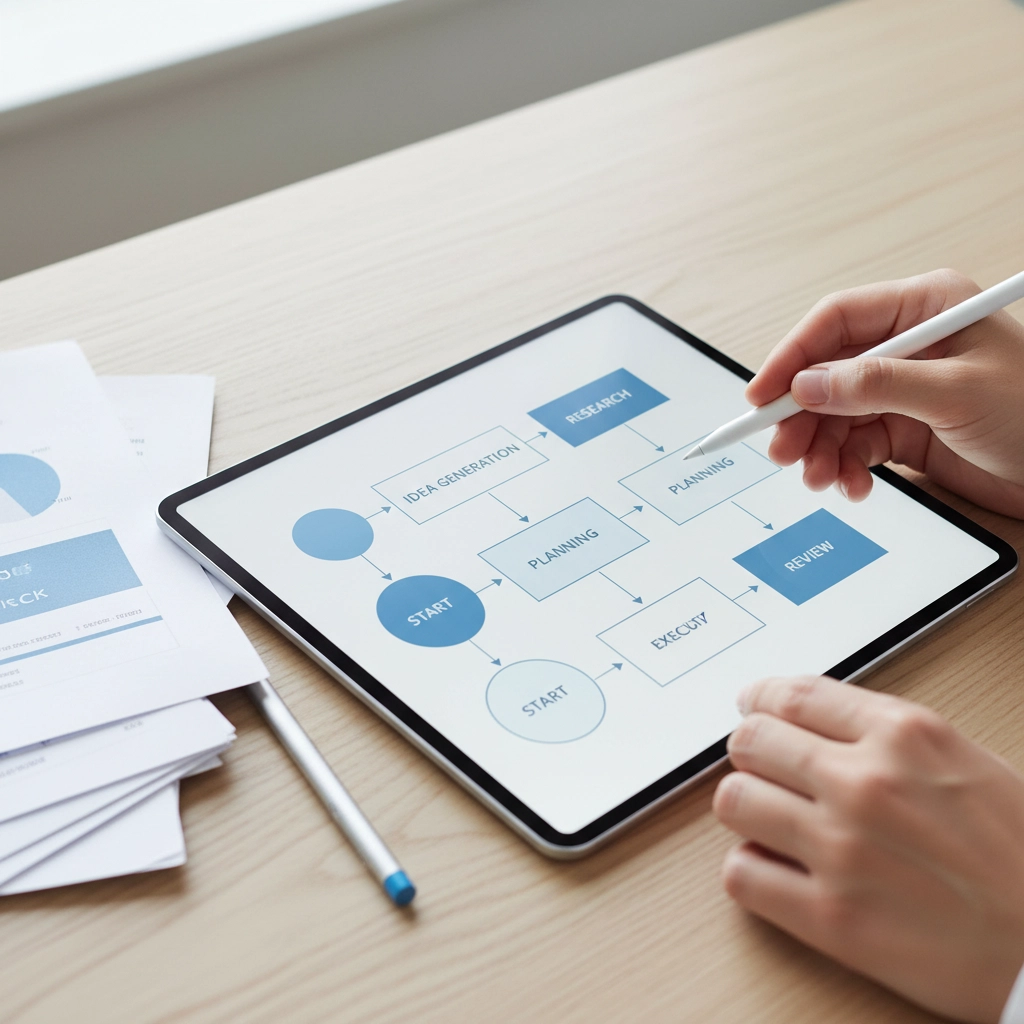
Screenshots, flowcharts, and checklists work better than dense paragraphs. Most people scan rather than read, so format accordingly.
Include Common Variations
Real client work isn't always neat. Include guidance for common exceptions: "If client doesn't provide bank statements by month-end, follow escalation procedure in Section 3."
Keeping Your SOPs Current and Useful
Monthly SOP Reviews
Assign someone to review and update SOPs monthly. This isn't busy work , processes evolve, regulations change, and software updates alter workflows.
Team Input System
Your team knows where SOPs fall short. Create a simple feedback system (shared document, monthly team meeting agenda item) to capture improvements.
Version Control
Date your SOPs and keep old versions for reference. When HMRC changes filing requirements, you'll want to trace how your processes adapted.
Integration with Daily Work
SOPs shouldn't live in separate folders. Integrate them into your project management system, client portals, or team communication tools where people actually work.
Common SOP Mistakes UK Firms Make
Writing for Perfection, Not Reality
Your SOPs should reflect how work actually happens, not how you wish it happened. Document the real process first, then improve it.
Making Them Too Detailed
If your SOP for sending an email is three pages long, nobody will follow it. Focus on decision points and quality checks, not every mouse click.
Forgetting About Exceptions
Most client work involves variations. Good SOPs acknowledge this and provide decision frameworks rather than rigid rules.
Not Testing Before Rolling Out
Have someone unfamiliar with the process try to follow your SOP. If they get stuck, your SOP needs work.
Tools and Templates for UK Accounting SOPs
Documentation Platforms
Consider tools like Notion, Confluence, or even well-organised Google Docs. The best platform is the one your team will actually use.
Process Mapping
Tools like Lucidchart or Miro help visualise complex workflows, especially useful for multi-stage processes like year-end accounts preparation.
Integration Opportunities
Look for ways to build SOPs into your existing workflow. If you use practice management software, see if you can embed process steps directly into client records.
For firms looking to streamline operations further, outsourcing routine tasks can complement well-documented SOPs by freeing up your team to focus on higher-value client work.
Making SOPs Part of Your Firm Culture
The goal isn't creating perfect documentation , it's building a firm that runs smoothly whether you're there or not. SOPs are tools for consistency, quality, and growth.
Start with one process this week. Document it simply, test it with your team, and refine based on reality. Your future self (and your team) will thank you when the next busy season arrives.
Frequently Asked Questions
How long should each SOP be?
Most effective SOPs are 1-3 pages. If you need more, consider breaking complex processes into separate, linked documents.
Should SOPs cover every possible scenario?
No. Cover the standard process and common variations. For unusual situations, focus on decision-making frameworks rather than prescriptive steps.
How often should we update our SOPs?
Review monthly, update quarterly, or immediately when regulations change. Set calendar reminders rather than relying on memory.
If your firm is drowning in inconsistent processes and manual work, we can help streamline your operations quietly and efficiently. Sometimes the best investment isn't hiring more people : it's organising the work you already do.
Blog Title: A Full Guide to SOPs for UK Accountants
Primary Keyword: accounting SOPs UK
Supporting Keywords: accounting workflow system, bookkeeping workflow optimization, scale accounting firm UK
Meta Description: Complete guide to Standard Operating Procedures for UK accounting firms. Learn to build practical SOPs for client work, compliance, and admin tasks that your team will actually use.
Internal Links Added: https://thecollabhub.co/7-signs-your-manual-processes-are-killing-your-accounting-firms-growth-and-how-to-fix-them
External Link Suggested: UK accounting regulatory body or practice management software provider
On-Page Adjustments: H2/H3 structure optimised, 3 FAQs added, practical examples included, soft CTA integrated
Backlink Suggestions: ICAEW Practice Resources, AAT Professional Development, UK accounting software directories
Notes: Consider follow-up posts on specific SOP templates for payroll, VAT returns, and client onboarding processes.